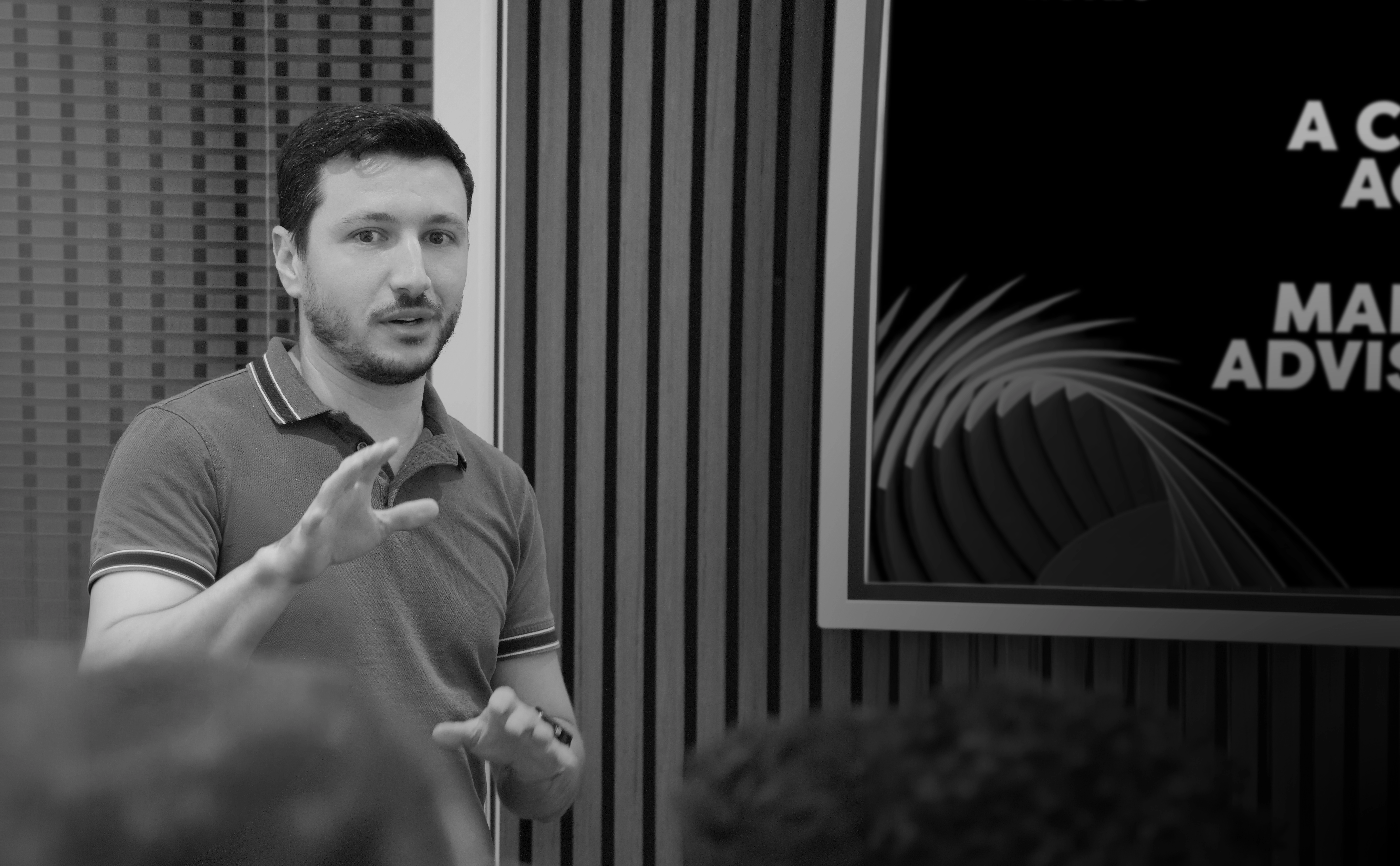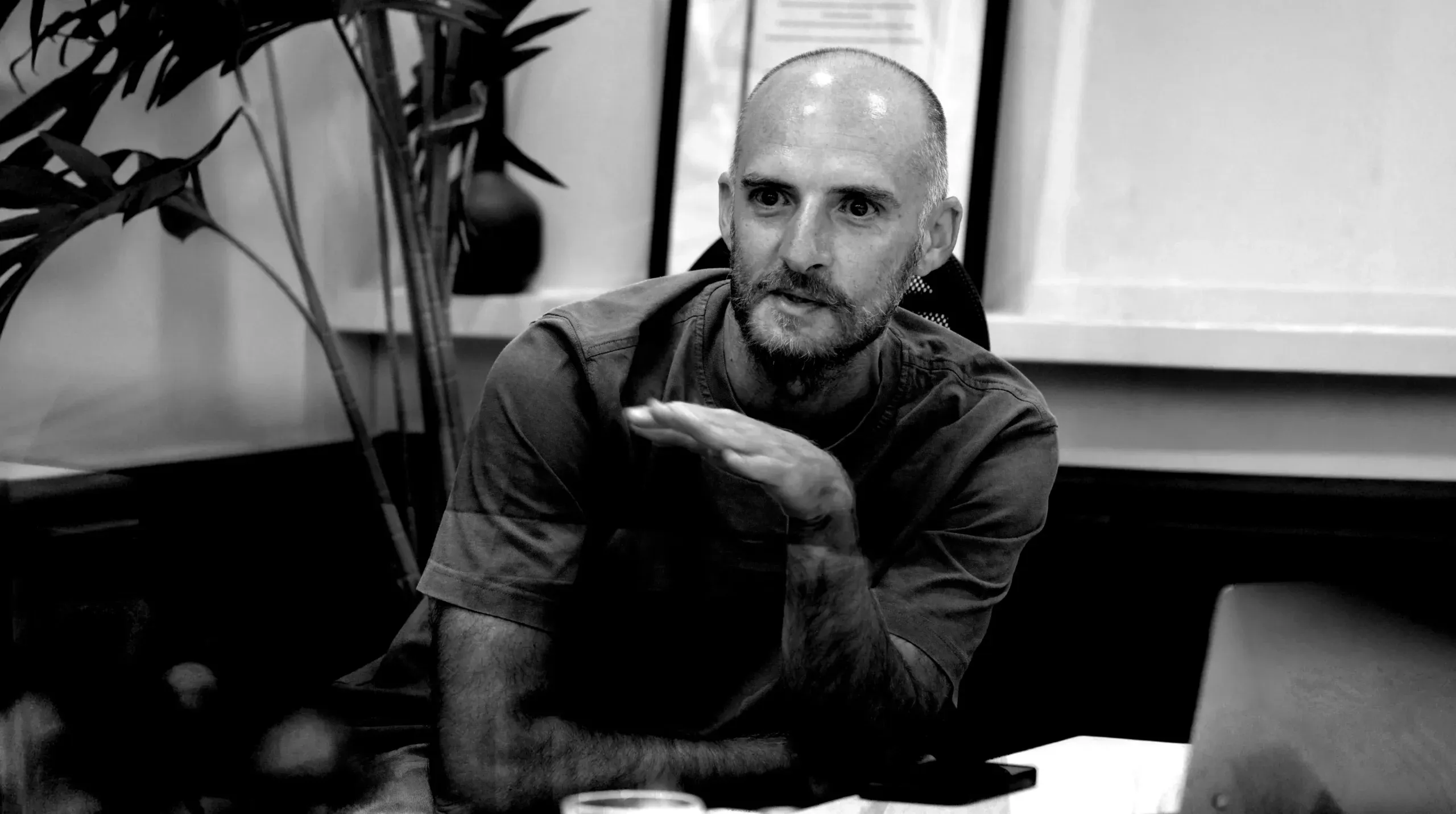
Last week, Concept Stadium exhibited at London Tech Week, joining hundreds of companies, innovators and business leaders from around the world. Like every major conference, it involved lots of preparation, coordination and long days on-site. They require investment, commitment and a significant amount of energy from everyone involved.
Yet, as I reflected on the week, I was reminded why businesses continue to invest in them.
Because the conversations are always worth it.
Our objective was simple. We wanted to meet new people, understand their challenges, explore opportunities for collaboration and learn what is happening beyond our own market. As a business that supports brands in achieving greater visibility, effectiveness and growth, these interactions are invaluable. Every conversation offers a new perspective, a different challenge or an opportunity to see an industry through a fresh lens.
Of course, conferences are often measured by leads generated and business opportunities created. But the real value often lies elsewhere.
It is found in the conversations between meetings. The unexpected introductions. The stories shared by founders, marketers, business owners and innovators facing challenges that are often more similar than different.
While technology was naturally the dominant theme throughout the event, what resonated most with me was something far more human.
The strongest activations, the most memorable interactions and the experiences people spoke about most were not simply powered by technology. They were powered by people.
Technology was the enabler, not the destination.
One example that stood out was a brand activation that created personalised perfume scents based on individual preferences. Technology helped bring the product together, but what made the experience memorable was the personalisation. People felt seen. They felt involved. They became part of the process.
That same principle appeared repeatedly throughout the event. The businesses generating genuine engagement were those using technology to enhance human experiences rather than replace them.
The same applies to artificial intelligence.
There is understandably a great deal of discussion around AI and its impact on business. However, one of the clearest takeaways for me is that AI should be viewed as an accelerator rather than a replacement.
In many ways, it reminds me of the arrival of the internet.
The internet removed countless hours of manual effort. Research that once required a trip to a library became available within seconds. Information that was previously difficult to access became readily available to everyone.
AI feels like the next evolution of that shift.
It has the potential to simplify processes, streamline operations and make complex tasks more accessible. It can help businesses work faster, smarter and more efficiently. But ultimately, the value still comes from the people using it, interpreting it and applying it in meaningful ways.
Interestingly, one of the most memorable conversations I had throughout the week had very little to do with technology at all.
A book author stopped by our stand and shared the story behind a book he had launched just the day before. He was personally handing out first copies and signing them for people he met. It was simple, authentic and incredibly effective. There was no sophisticated technology behind the activation. No elaborate digital experience. Just a person sharing their work and creating genuine connections.
In a unique twist, we ended up signing his original copy as well, creating a moment neither of us expected.
That interaction has stayed with me because it perfectly captured the broader lesson from the week.
In a world increasingly focused on automation, artificial intelligence and digital transformation, people still connect with people.
Technology can improve experiences. It can remove friction. It can create efficiencies and unlock new possibilities. But relationships, trust and genuine human interaction remain at the centre of business growth.
London Tech Week reinforced many things, but perhaps the most important was this:
The future is not about choosing between technology and people.
The future belongs to those who use technology to create better experiences for people.